Antenna Fpv 1.3GHZ
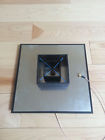
( Part Type: Antenna )
Review 1.3ghz Antenna Fpv
Introducing our 1.3GHz Antenna, a high-performance component designed specifically for FPV (First Person View) systems. This antenna is equipped with a frequency of 1.3GHz, providing a reliable and stable connection for your drone or RC vehicle.
The antenna is constructed using high-quality materials to ensure durability and resistance against environmental factors such as wind, rain, and sunlight. The antenna's design features a low profile, making it ideal for use in tight spaces or on compact drones.
The 1.3GHz frequency offers a range of benefits, including improved signal strength and reduced interference from other devices. This means that you can fly your drone further away from your controller without losing the signal or experiencing lag.
The antenna's design also features a high gain, ensuring that the signal is focused in a specific direction. This is particularly useful for long-range FPV flights, as it allows the signal to travel further without being lost or weakened.
In addition, the 1.3GHz Antenna is easy to install and requires no external power source. Simply attach it to your FPV system and you're ready to fly.
Overall, our 1.3GHz Antenna is an essential component for any FPV enthusiast looking to improve their drone's range and signal strength. With its high quality construction, reliable performance, and easy installation, this antenna is sure to enhance your FPV flying experience.
Pros of buying a 1.3GHz antenna for FPV (First Person View):1. Frequencies: The 1.3GHz band is widely available and less regulated, making it a popular choice for long-range FPV systems.
2. Penetration: 1.3GHz antennas are better at penetrating obstacles, such as trees and buildings, due to their lower frequency, which can result in better signal stability.
3. Cost: 1.3GHz antennas are generally more affordable than higher-frequency options.
Cons of buying a 1.3GHz antenna for FPV:1. Interference: Lower frequencies can be more susceptible to interference from other electronic devices, such as Wi-Fi and cordless phones.
2. Range: While 1.3GHz antennas can provide decent range, they may not offer the same level of range as higher-frequency options, such as 5.8GHz.
3. Compatibility: Not all FPV transmitters and receivers support the 1.3GHz frequency, so it's important to check before making a purchase.
Conclusion: If you're looking for an affordable and reliable long-range FPV solution, a 1.3GHz antenna can be a good choice. However, it's important to be aware of the potential for interference and the limited range compared to higher-frequency options. It's always a good idea to do your research and make sure the antenna is compatible with your specific FPV setup.
Recommendation: If you're new to FPV and looking for a cost-effective option, a 1.3GHz antenna could be a good starting point. However, if you're looking for the best possible range and interference resistance, you may want to consider a higher-frequency option, such as 5.8GHz. Ultimately, the best choice depends on your specific needs and budget.
Left hand circular polarized another innovation from Icarus designed with small form factor in mind, the cross hair.
Ratings:
- All good! 10-31-14
- Great, Thanks 10-17-14
- VERY GOOD! 11-23-14
- Thank you for an easy, pleasant transaction. Excellent buyer. A++++++. 01-17-15
- Very fast shipping. Highly recommended!!!smooth transaction. 10-24-14
Returns:
- policy: no returns
Offer:
- # Sold: 0
- quantity: 1
- Started: March 9, 2015, 8:30 pm
- best offer: true
- # bids: 0
Shipping:
- cost: $12.0
- handling: 2 days
- type: Flat
Seller:
- zipcode: 63017
- city: Chesterfield, Missouri
General:
- Toys & Hobbies > Radio Control & Control Line > Other
- in stock: Yes
- condition: Used
Payments:
- PayPal
Is Similar To:
- Skew Ghz Rpsma Usa Fpv Antenna Planar Polarized 5.8 Clover Boscam Leaf Wheel (29.8% similar) One skew planar wheel 4 lobe for the receiver and one clover leaf 3 lobe for the transmitter. 8 ghz fpv antenna RP SAM connectors circularly polarized perfect for scam RP SAM transmitters and receivers this offer includes 2 antennas. Included cloverleaf TX antenna skew planar wheel Rx antenna SUV Hz...(December 31st, 2014)
- Horizon Hobby Spmvx5851 Spektrum Drone Tricera Rhcp Fpv Race Right Hand Antenna 5200-6200mhz (23.6% similar) This provides the antenna ability to bounce back original position after being struck. Whats in the box?: 1 spectrum tracery recap fpv antenna. Use on both for best performance. Spectrum RC teamed up with video aerial systems Icarus to design a fpv antenna that capitalizes near seamless Omani ...(August 6th, 2024)